

Breast cancer – The Latest Treatments and Essential Knowledge


When treatment can eliminate a tumour before surgery
If you were told that, in certain cases, breast cancer could disappear through drug treatment alone, you might consider it a science-fiction scenario. Yet this is already a reality of modern Οncology. Advances in medicine have radically transformed the treatment of specific types of breast cancer. Triple-negative and HER2-positive breast cancers, once considered particularly aggressive, can now respond remarkably well to systemic treatment when diagnosed early and managed appropriately. Early diagnosis, accurate histological identification and collaboration within a specialised medical team are the three crucial steps.
Breast clinical examination, mammography and ultrasound can identify a suspicious finding, but they cannot confirm with certainty the presence of cancer or, more importantly, determine its type. The final diagnosis is established through a percutaneous core needle biopsy. Under local anaesthesia, a small tissue sample is taken from the tumour within minutes and examined under a microscope. This determines not only whether the lesion is cancerous, but also its precise biological type, a factor that is crucial in selecting the appropriate treatment. Fine-needle aspiration (FNA), which was more widely used in the past, does not provide all the information currently required for an accurate tumour type.
The Importance of a Specialised Team
Breast care requires specialist expertise. A breast surgeon, working closely with a specialised breast radiologist and, when necessary, a medical oncologist, can assess each case comprehensively.
There is no single diagnostic protocol suitable for every woman. Age, breast density, family and personal medical history, and imaging findings all determine which modalities are needed. The aim is not simply to perform a test, but to establish a comprehensive, personalised diagnostic plan.
Don’t Wait for Symptoms
Breast cancer is most often asymptomatic. It may be present without pain or any obvious signs. Waiting for symptoms to appear is therefore not a safe strategy. In fact, when discussing breast cancer, the term “prevention” should be used with care: we cannot prevent the disease from developing. What we can do is pursue early diagnosis, when the disease can still be treated under the most favourable possible conditions. Regular screening should be tailored to age and individual risk factors. Mammography, ultrasound and, where indicated, modern digital breast tomosynthesis (3D mammography) and breast MRI now offer valuable diagnostic tools, particularly for women with dense breasts.
From Surgery to Drug Therapy

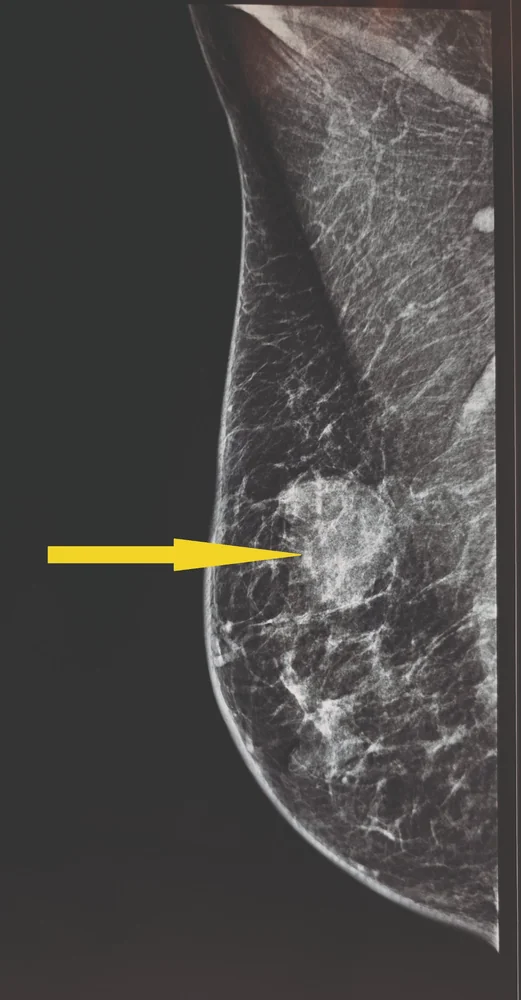
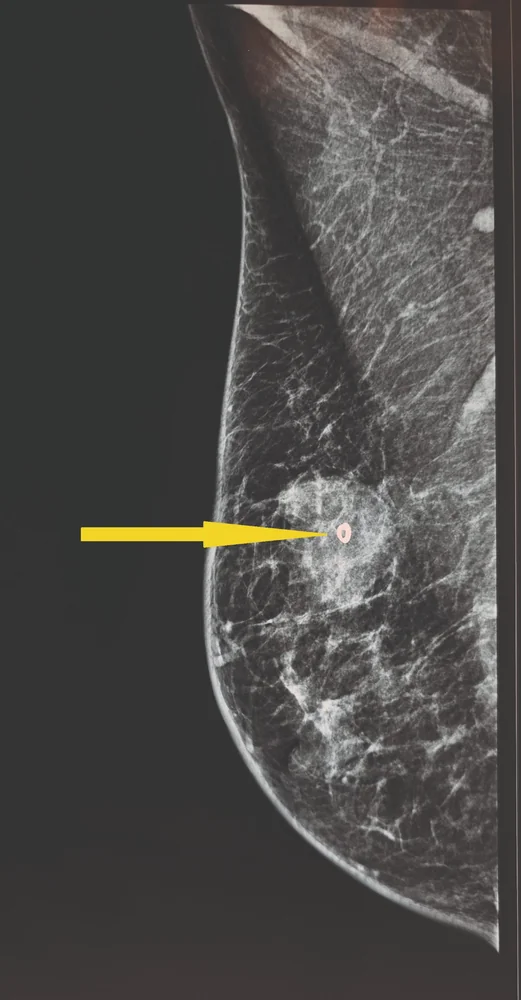
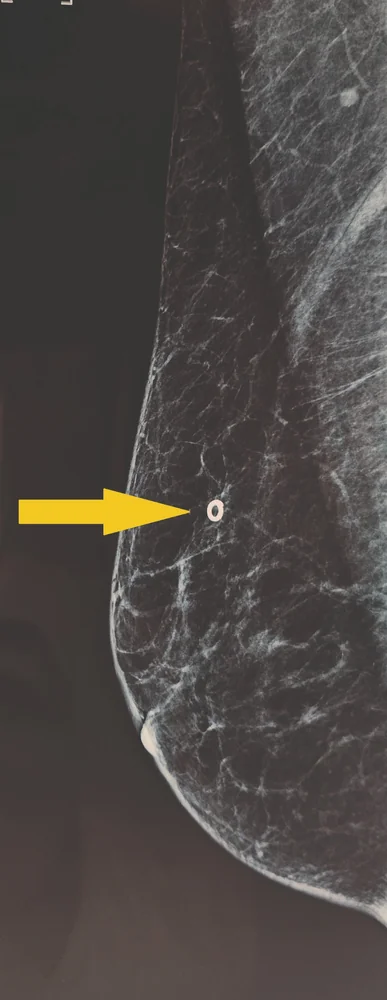
Let us consider how a modern therapeutic approach can dramatically change a patient’s treatment journey through a hypothetical but realistic clinical scenario. A woman is diagnosed with HER2-positive breast cancer. Before any surgery, she undergoes a comprehensive assessment to determine whether the disease has spread to other parts of the body. If no metastases are found, the multidisciplinary oncology team may recommend neoadjuvant systemic therapy, administered before surgery. The patient receives targeted drug therapy for a specified period. Before treatment begins, a tiny metal clip is placed in the centre of the tumour through a simple procedure. This serves as a marker, allowing the original tumour site to be identified and monitored even if the tumour becomes undetectable on imaging during treatment. In a significant proportion of patients, the tumour shrinks dramatically or disappears completely. Surgery can then be tailored accordingly and, in suitable cases, limited to removing the area where the tumour was originally located, so that the tissue can be examined histologically to determine whether any cancer cells remain. This represents a remarkable shift in treatment philosophy: we no longer always treat the tumour with surgery first. In selected cases, we target the disease biologically with medication before proceeding to surgery.
Knowledge Is Power
Modern Medicine has made enormous progress. Yet early diagnosis remains of paramount importance. Make time for your annual breast check-up. Do not rely solely on a single mammogram or a routine gynaecological examination. Choose a specialised medical team and a personalised approach. At the same time, take care of yourself: limit alcohol consumption, adopt a healthy lifestyle, reduce chronic stress and, above all, never neglect your screening appointments. Early diagnosis is more than just a medical examination. It can make the difference between a difficult battle and a treatment journey with excellent outcomes.

John P. Fyssas, MD, PhD
Breast Surgeon – Breast Specialist / Director, 2nd Breast Clinic METROPOLITAN GENERAL
www.fyssas.gr
What's Your Reaction?