

Georgia O’Keeffe (1887–1986) – The Mother of American Modernism

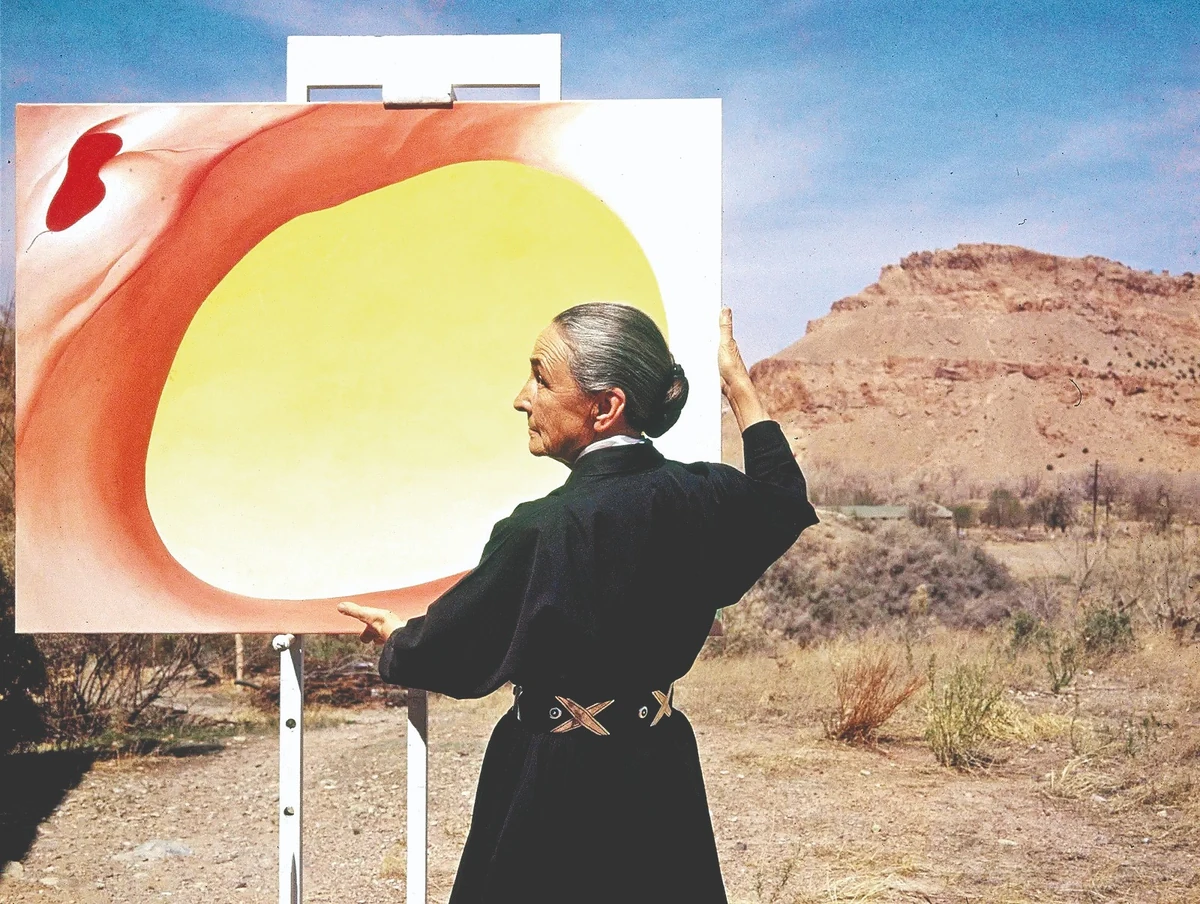
Georgia O’Keeffe is regarded as one of the most influential figures in American art and is rightfully celebrated as the “Mother of American Modernism.” Through her bold artistic vision, distinctive personal style, and pioneering approach to painting, she developed a unique visual language that profoundly shaped the course of modern art.
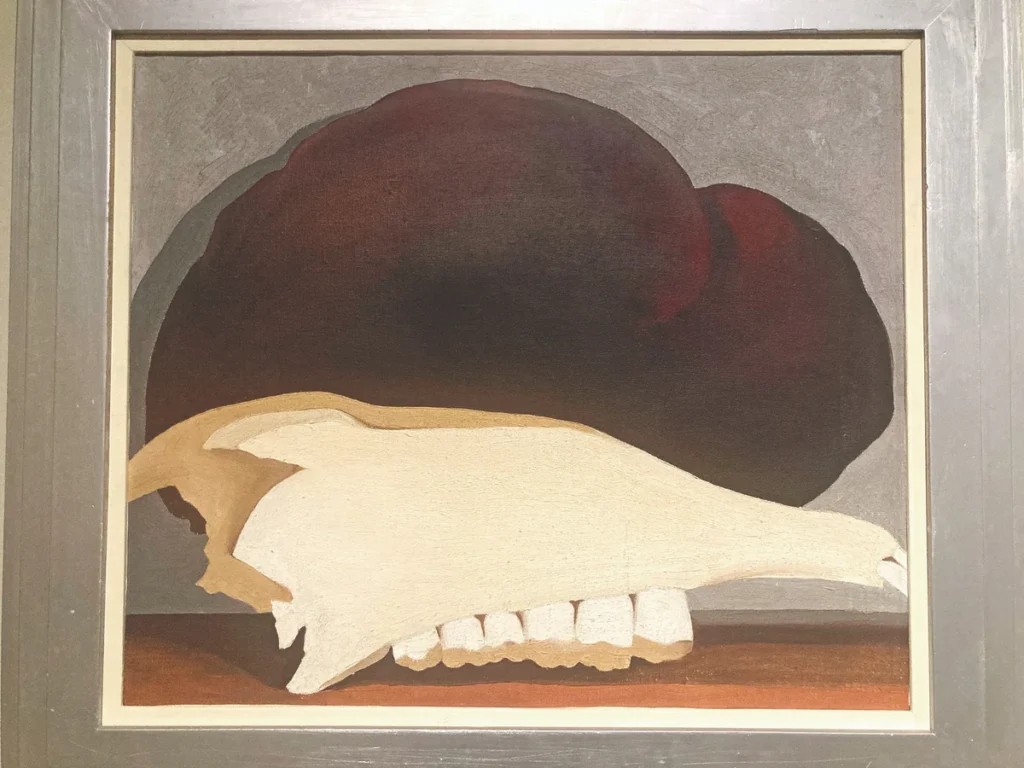
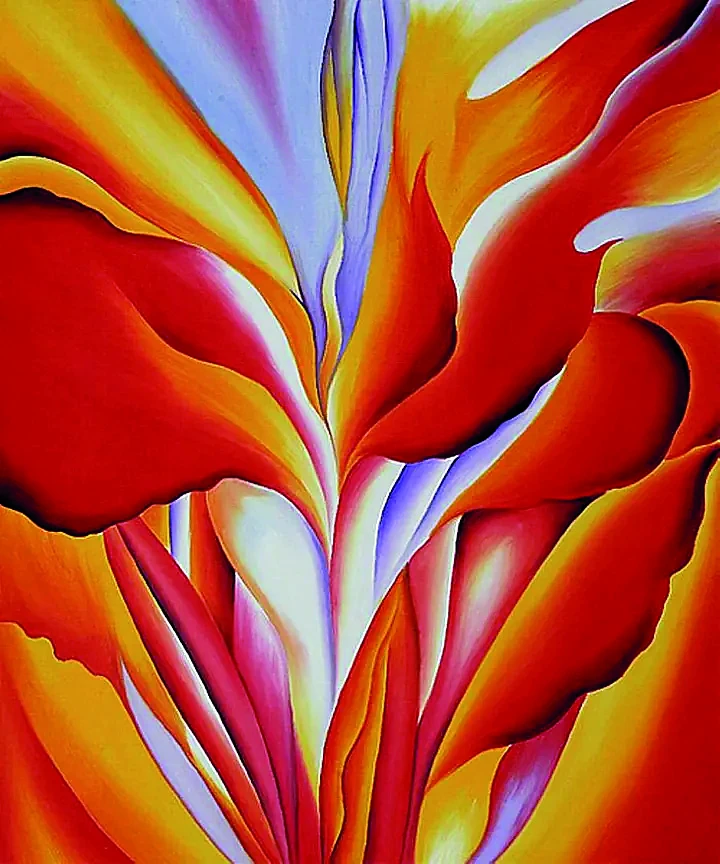
She gained international acclaim for her monumental close-up paintings of flowers, which magnified the delicate forms and organic curves of nature. Equally iconic are her paintings of animal skulls and the vast landscapes of the American Southwest, reflecting her deep spiritual connection with the natural world and her contemplation of the timeless cycle of life and death.
Born in Wisconsin, United States, into a family of dairy farmers, O’Keeffe began her formal art education in 1905 at the School of the Art Institute of Chicago before continuing her studies at the Art Students League of New York. For several years, she supported herself by working as a teacher and commercial illustrator while pursuing her artistic ambitions.
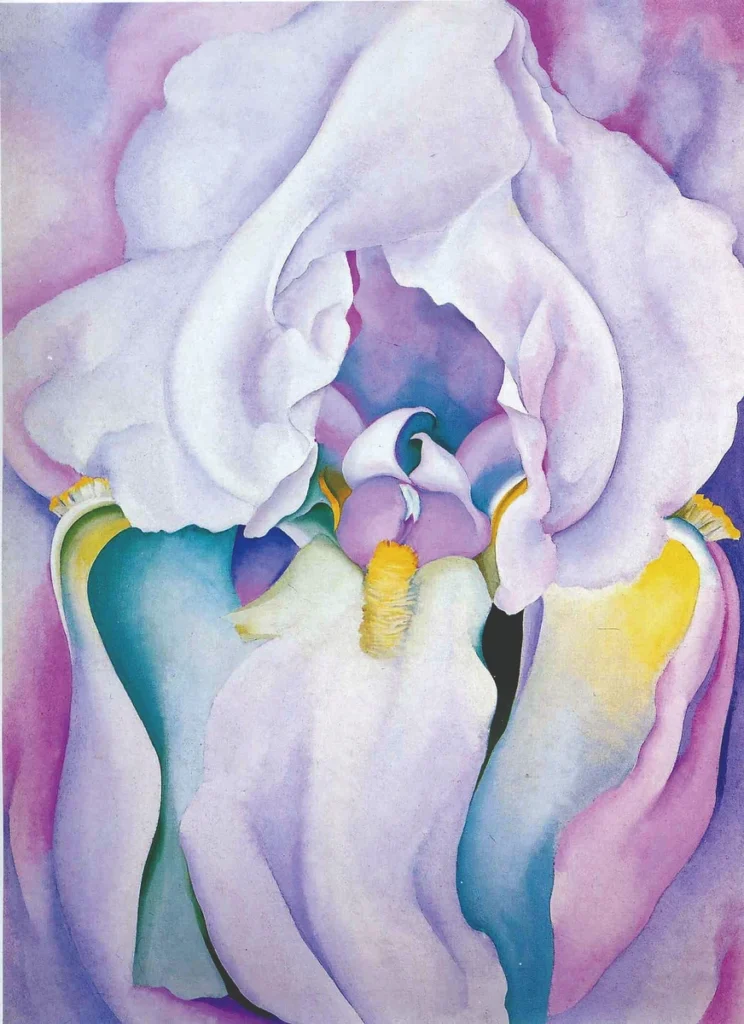
She later attended classes at the University of Virginia, where her experiments with watercolor and charcoal drawings helped her develop a highly personal style that gradually led her toward abstraction. She continued her studies at Teachers College, Columbia University, further refining her artistic philosophy and embracing modern forms of expression.
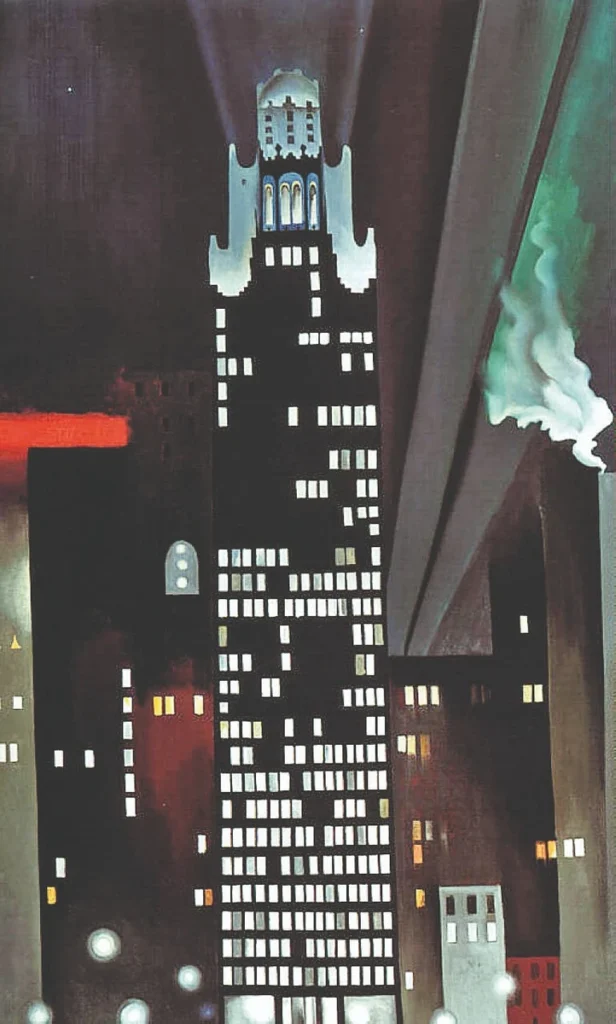
In 1924, she married the renowned photographer and art dealer Alfred Stieglitz, and the couple settled in New York City. During this period, she created her celebrated series “My New Yorks,” capturing the city’s soaring skyscrapers and dynamic urban energy through a fresh and highly individual perspective.
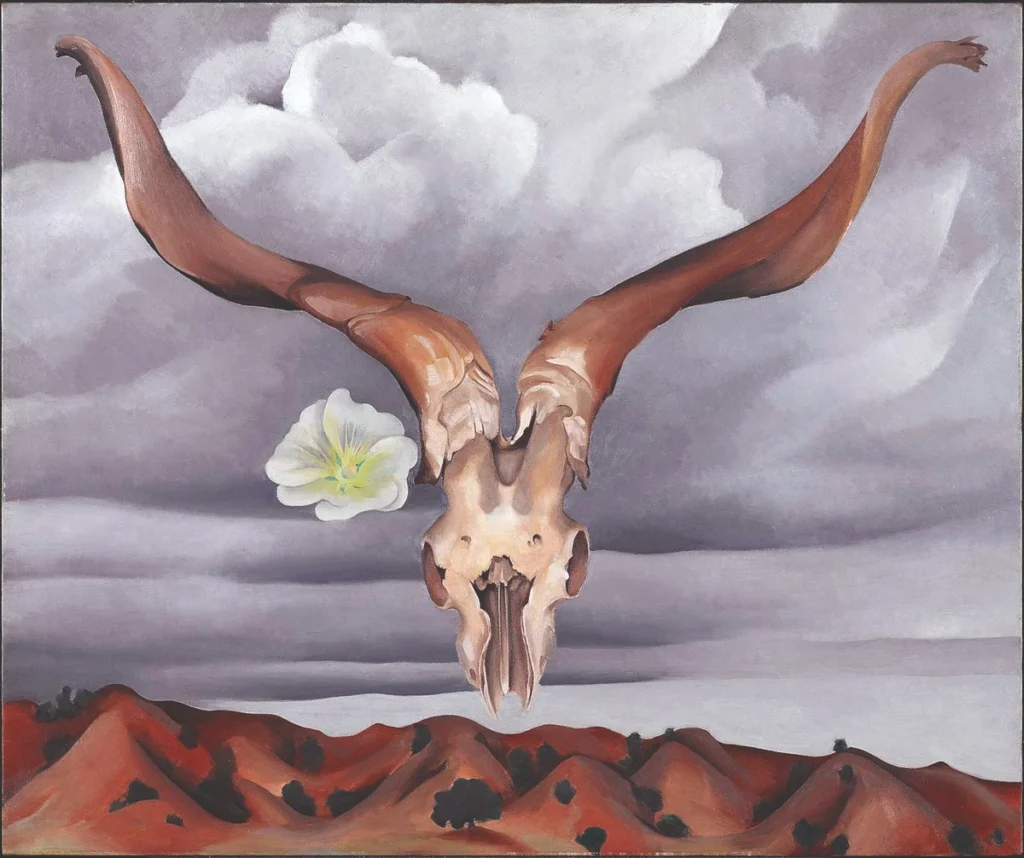
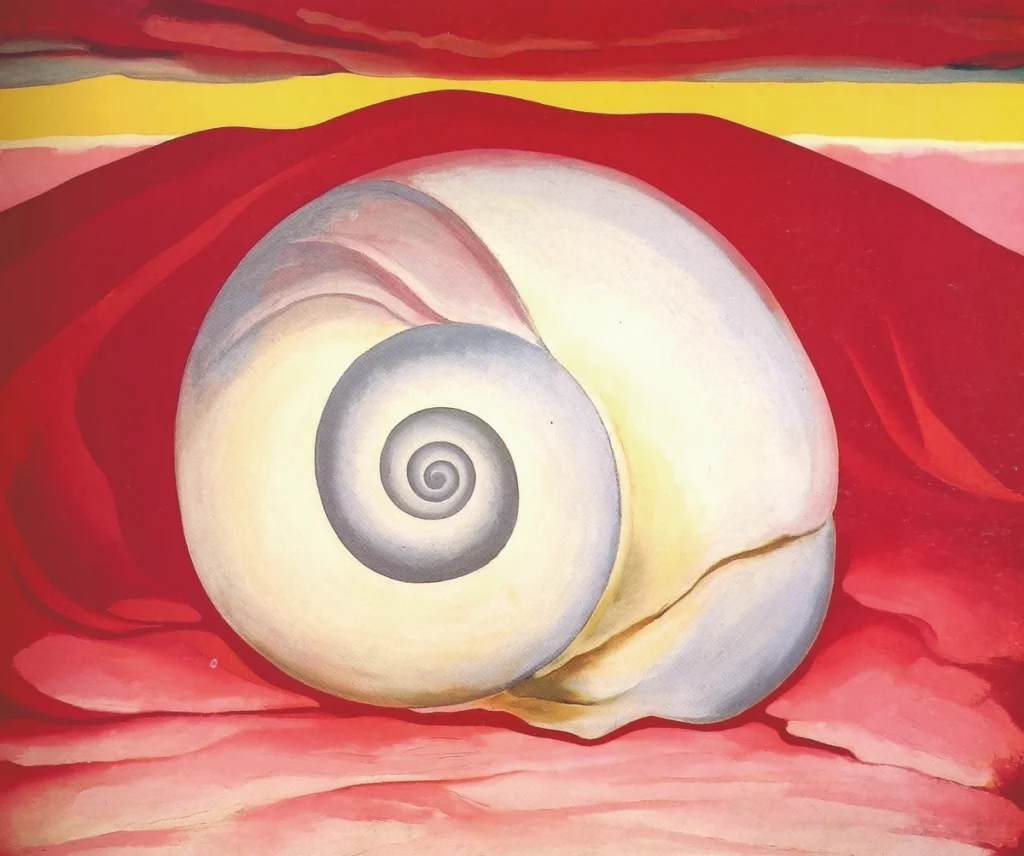
Following the death of her husband, O’Keeffe permanently relocated to New Mexico in 1949, where she lived for nearly four decades. The dramatic desert landscape, weathered rock formations, sun-bleached animal bones, and endless skies became inexhaustible sources of inspiration. Through these works, she explored profound themes of nature, mortality, resilience, and renewal.
In the later years of her career, aerial travel opened new creative possibilities. The sweeping views of clouds, rivers, and expansive landscapes seen from above inspired a remarkable series of abstract compositions that reflected her lifelong pursuit of artistic innovation.

O’Keeffe’s extraordinary contribution to the arts earned her numerous honors and awards. She received an honorary doctorate from Harvard University, and in 1985 she was awarded the National Medal of Arts by President Ronald Reagan, one of the highest artistic distinctions in the United States.
Following her passing, her legacy has continued to inspire artists and art lovers around the world. The Georgia O’Keeffe Museum in Santa Fe, New Mexico, was established in her honor, and in 1993 she was inducted into the National Museum of Women in the Arts Hall of Fame, recognizing her as one of the most influential women artists of the twentieth century.
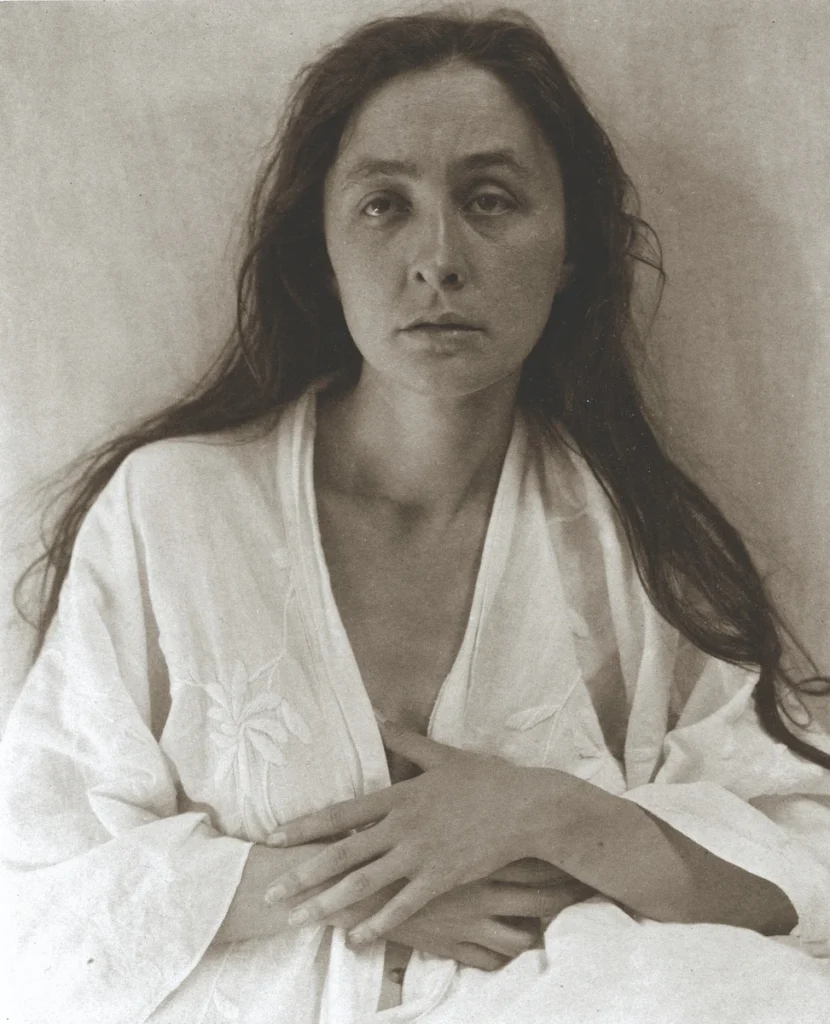
With her fiercely independent spirit, unmistakable artistic voice, and unwavering devotion to the power and beauty of nature, Georgia O’Keeffe remains an enduring symbol of creativity, artistic freedom, and modern innovation.