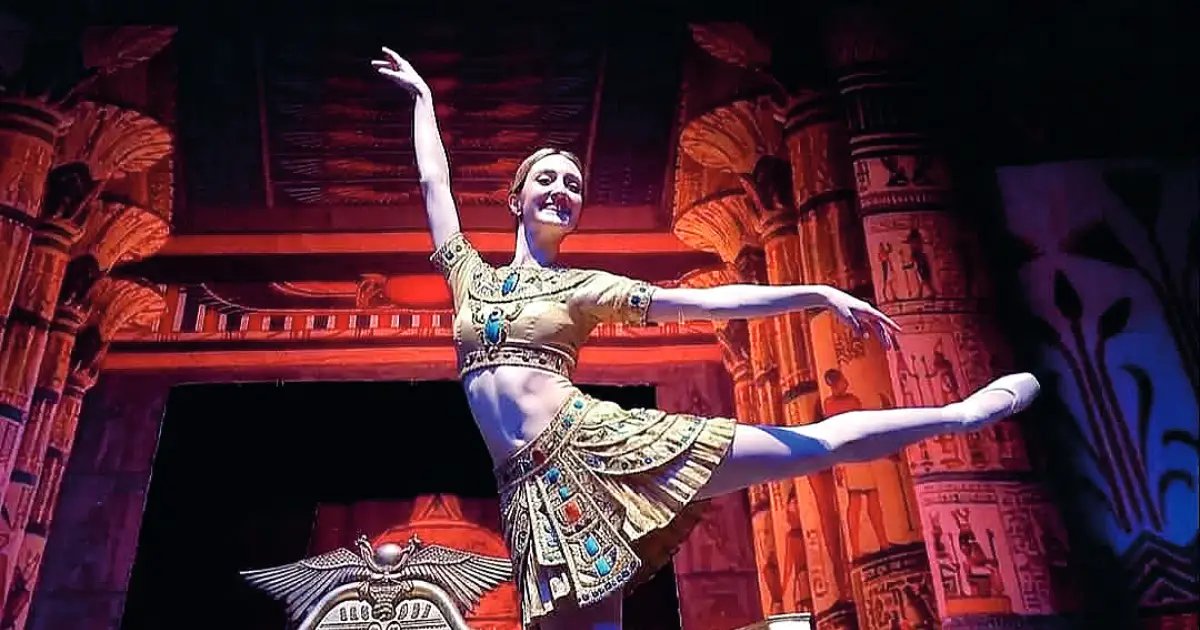
At the pinnacle of the Cairo Opera Ballet, Antigoni Tsiouli has transformed her discipline, passion and devotion to dance into an outstanding international career. Her participation in the inauguration of the Grand Egyptian Museum once again highlighted the power of art to unite people and bridge cultures. Today, as an accomplished artist and mother, she speaks about the sacrifices behind success, life in Egypt, motherhood, her desire to return to her homeland, and her vision of passing on her experience to the next generation of dancers.
Your participation in the inauguration of the new Grand Egyptian Museum placed you at the centre of an event of global cultural significance. How did you experience this moment as a Greek artist who has built such an important career in Egypt?
My participation was one of those moments when you feel that art transcends personal boundaries and becomes part of history. Being present at an event of such global significance, representing the art of dance and the Cairo Opera, was a great honour and a deeply moving experience for me. At the same time, as a Greek woman who has lived and worked in Egypt for so many years, I felt a profound sense of pride. Greece and Egypt are two countries with immense cultural wealth and a relationship that reaches deep into history. To be able to stand between these two civilizations through my art is something I consider truly precious.
At that moment, I was thinking about all the years of hard work, the sacrifices, the performances, the rehearsals and all the people who contributed to bringing me to that point. It was a moment of profound gratitude.
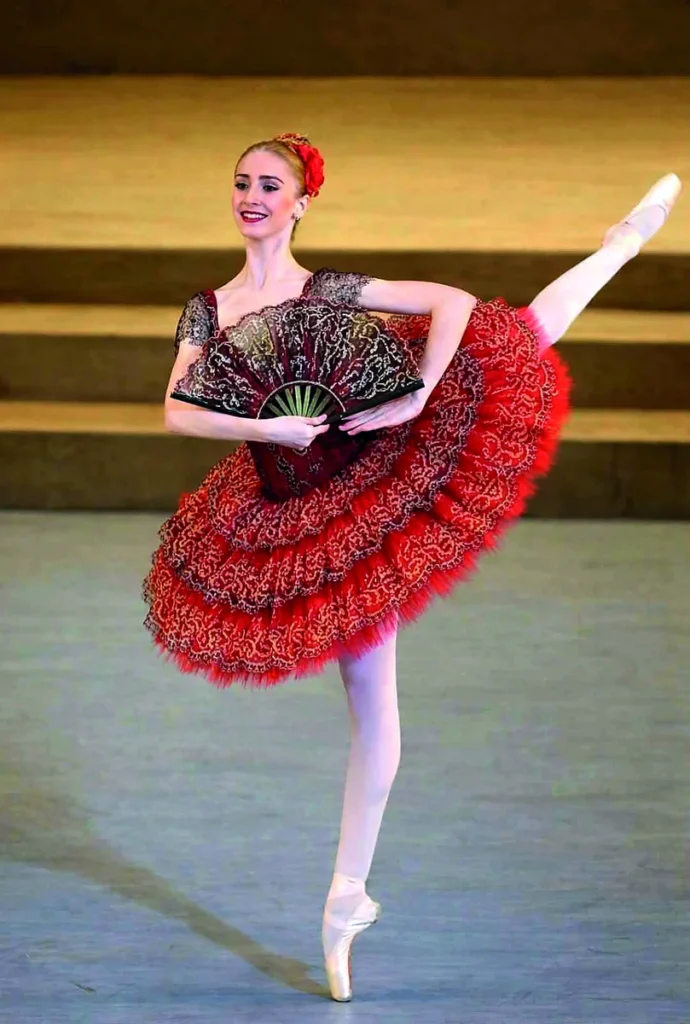
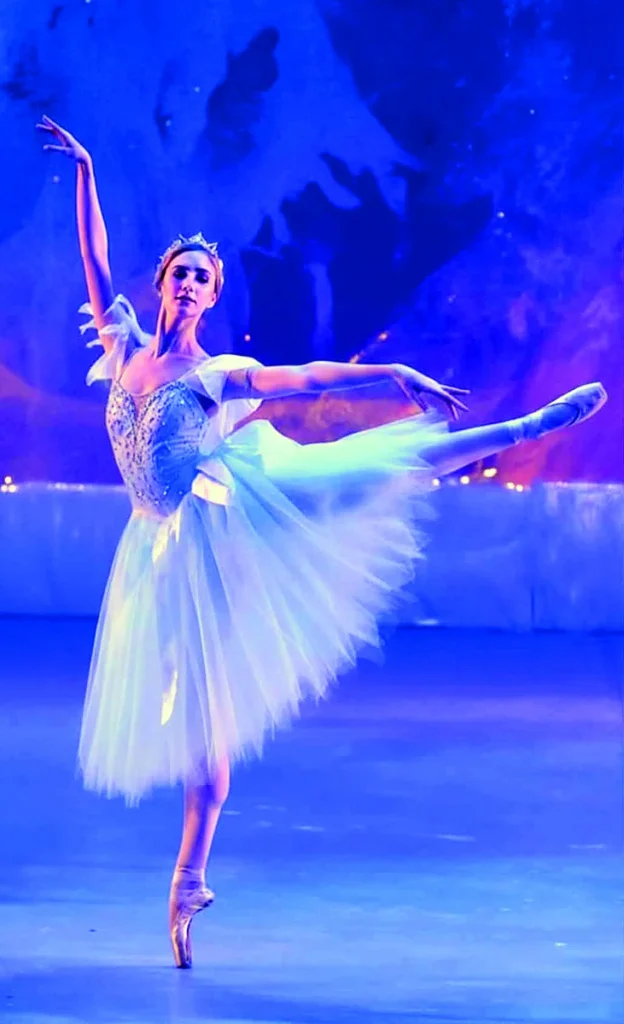
You have reached the pinnacle of your profession as a Prima Ballerina. Looking back today, what do you consider your greatest achievement, and what did you have to sacrifice to reach and remain at this level?
My greatest achievement is not simply the title of Prima Ballerina. It is the fact that I managed to build a meaningful and long-lasting artistic career in a country other than my homeland, and to earn my place and the respect of others within such an important cultural institution. To reach this level, a dancer needs much more than talent. It requires discipline, daily hard work, endurance, patience and a constant effort to surpass yourself. And, of course, there are sacrifices. You miss out on moments, personal time, holidays and rest. The body also pays its price. Today, however, I focus less on the sacrifices and more on everything these years have given me. Ballet has made me stronger and more disciplined and, above all, has taught me never to give up on what I love.
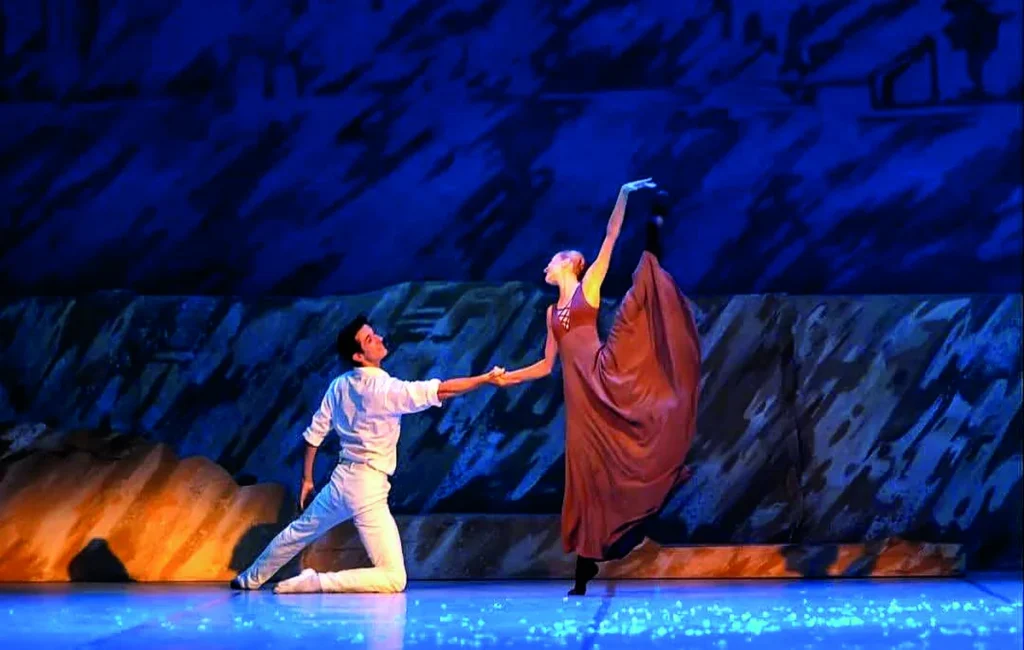
Your journey carries a particular symbolic significance: a Greek woman making her mark at the heart of Egypt’s cultural life. Do you feel that, through your art, you have become a contemporary cultural bridge between Greece and Egypt?
Yes, I feel that, in my own way, I represent a bridge between the two countries. I do not regard this as a grand title, but rather as a beautiful responsibility that has emerged naturally through my life and career. I deeply believe that art has no borders. A Greek artist can create in Egypt, just as an Egyptian artist can create in Greece. When cultures meet through art, something far greater emerges than what each of us could create alone. That is what I would like to represent: the idea that two great civilizations can come together through one person, one stage and a shared love of art.
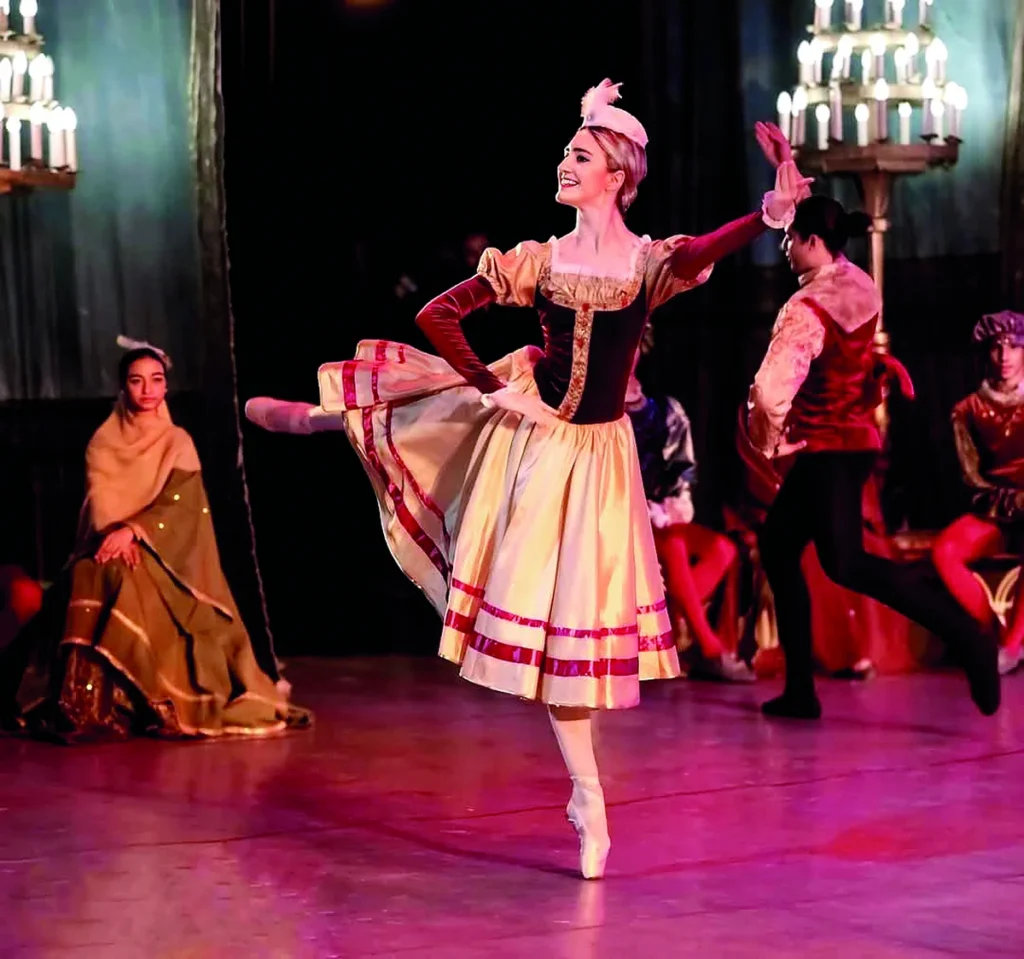
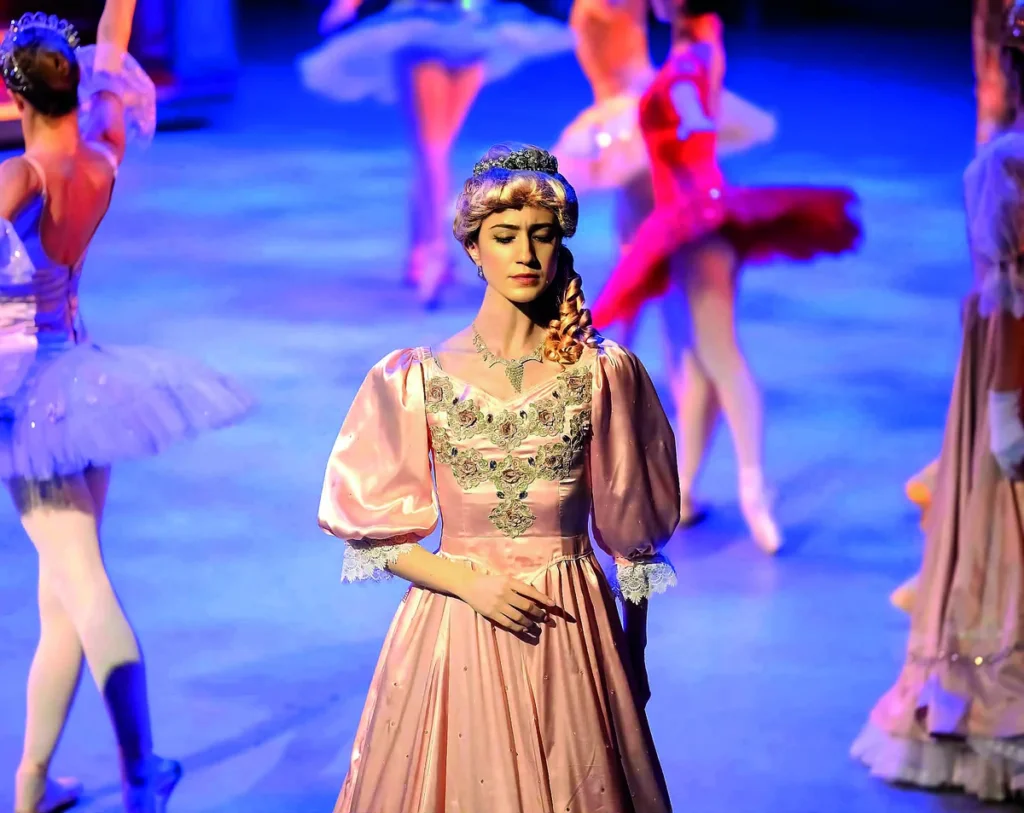
Alongside an exceptionally demanding career, you also became a mother. How has motherhood changed the woman and artist that is Antigoni Tsiouli?
Motherhood has changed my life in a way that is difficult to put into words. It has taught me that strength lies not only in effort, but also in acceptance, patience and love. I do not feel that I must choose between being a woman, a mother and an artist. All these aspects are part of who I am. Having a child changes your heart. And when an artist’s heart changes, so does the way they see their art.
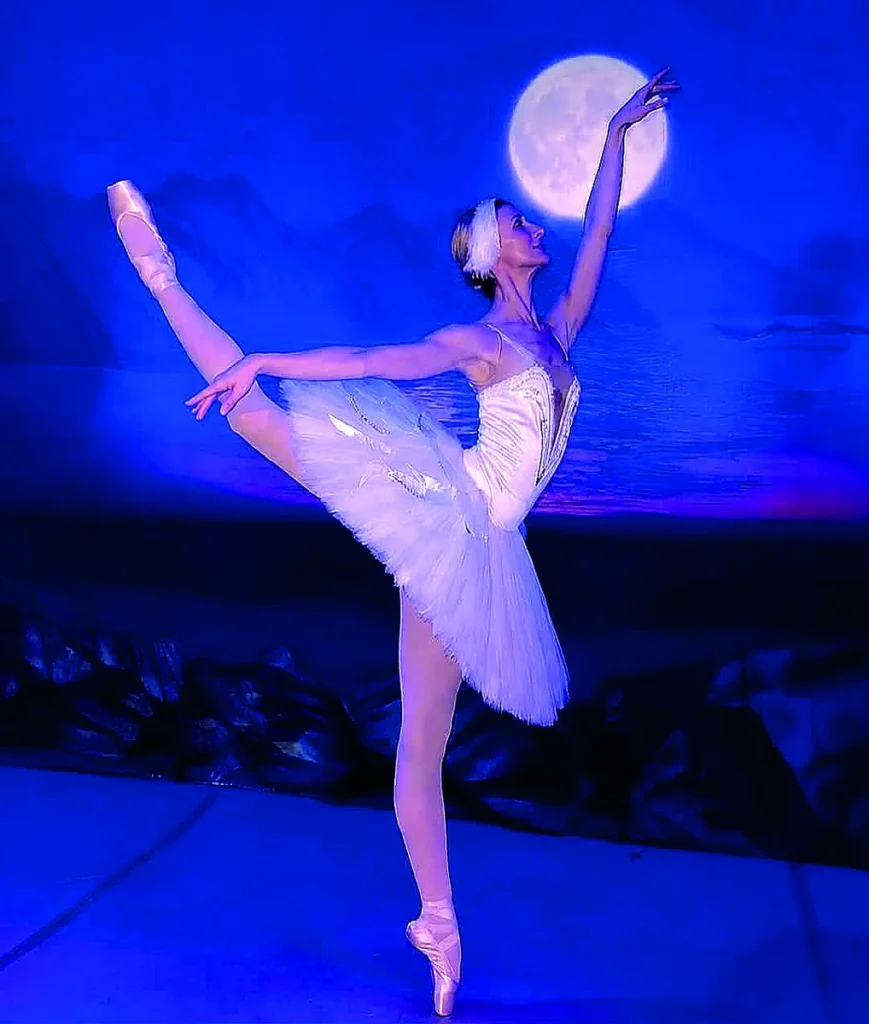
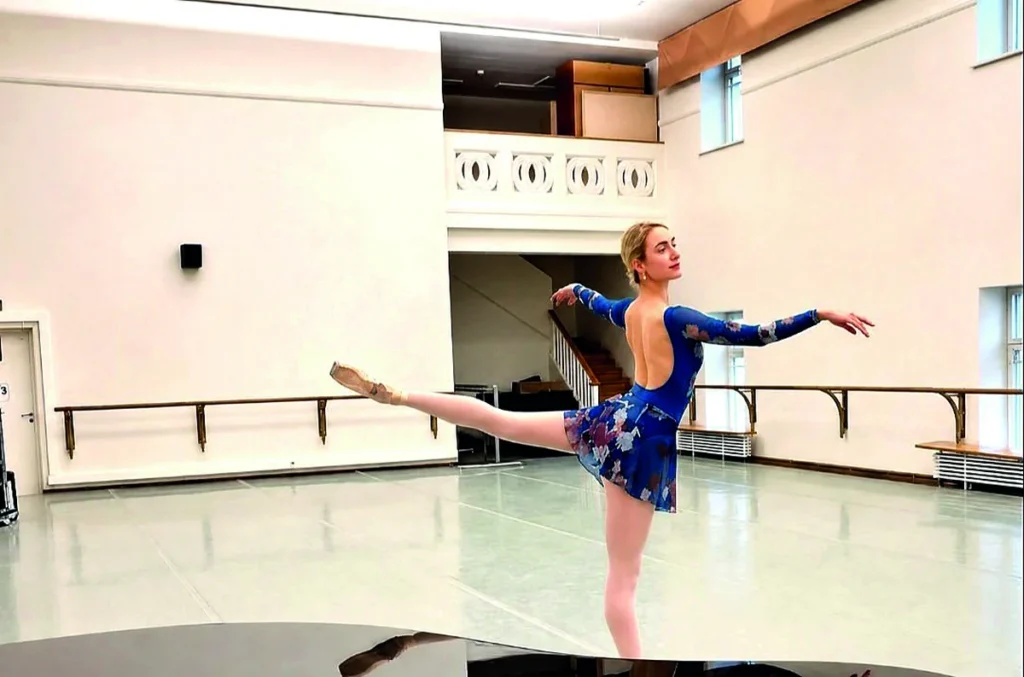
The establishment of the Higher School of Performing Arts in Greece is opening a new chapter in artistic education. Would it be easy to bring you back?
Yes! I am particularly interested in having the opportunity to teach at the Higher School of Performing Arts. I consider it extremely important that Greece is creating an institution capable of offering young artists a more contemporary and comprehensive education. Greece has never ceased to be my homeland.
No matter how many years I spend away from it, I always carry within me the feeling of returning. I left as a young dancer with dreams and ambitions, and life led me to Egypt, where I ultimately spent a very significant part of my artistic life. Today, having gained experience through an international career, I feel that I now have something meaningful to offer Greece: knowledge, experience, insights, technical expertise, and a different perspective on what it means to build a career abroad. I would love to share all this knowledge with the next generation.
What advice would you give to young dancers?
Dream without limits, work consistently and never stop evolving. Because an artist’s true career is not built in a single performance; it is built over an entire lifetime.
Thank you very much!