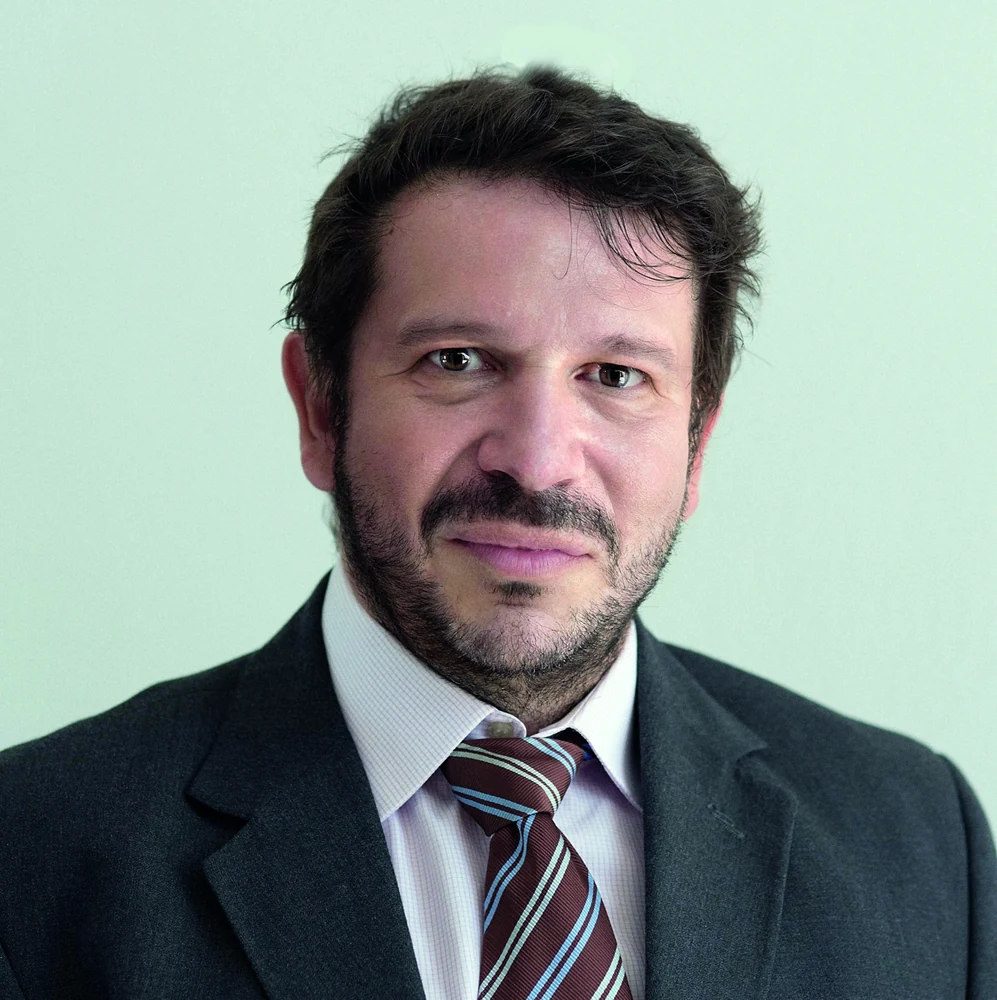
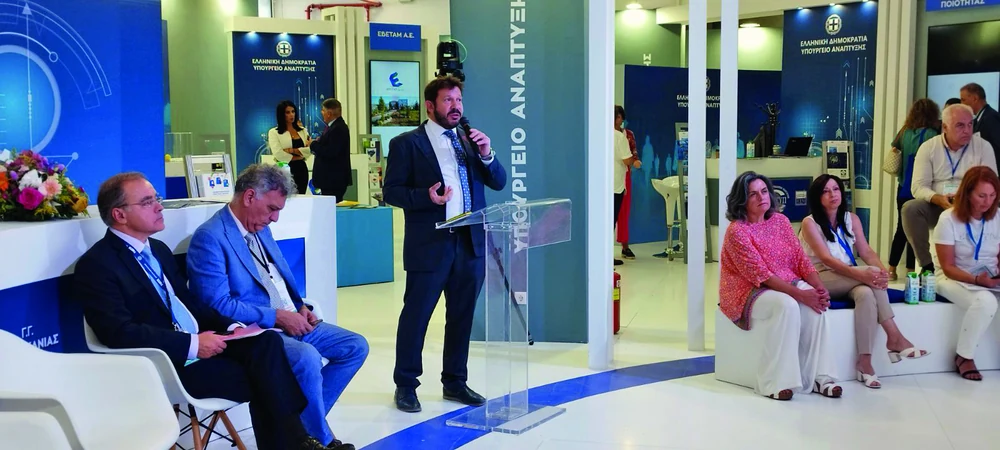
Konstantinos Vavekis (PRAXI Network / Foundation for Research and Technology – Hellas FORTH) explains how the island is turning geographical isolation into a competitive advantage — and how C Nest is helping Greek startups take their first steps towards international growth.
When we think of Crete, our minds naturally turn to its traditions, tourism and exceptional local produce. Yet, far from the spotlight of its tourist resorts, the island has quietly built a remarkable research and technology ecosystem, emerging as one of Southern Europe’s most dynamic centres of innovation. To explore how Crete is gradually positioning itself as the Mediterranean’s “Silicon Valley”, the pivotal role of the new C Nest Accelerator, an initiative coordinated by PRAXI Network at FORTH and the challenge of protecting Greek innovation, we spoke with Konstantinos Vavekis.
As Scientific Coordinator of the project, Head of Operations at PRAXI Network at the FORTH, and the only European Patent Attorney based in Crete, he guides us through the future of entrepreneurship on the island.
Crete’s Innovation Ecosystem and International Leadership
How has Crete managed to build this remarkable innovation ecosystem?
Crete has a distinctive characteristic: its geographical isolation has been both a disadvantage and a significant advantage. This very isolation encouraged the island’s research institutions and Universities to seek partners internationally — in the United States, Europe and the United Kingdom —, establish collaborations with leading organisations abroad, and attract internationally renowned scientists.
The island’s greatest competitive advantage lies in its commitment to scientific excellence from the outset and developed a system grounded in meritocracy and exceptionally high standards.
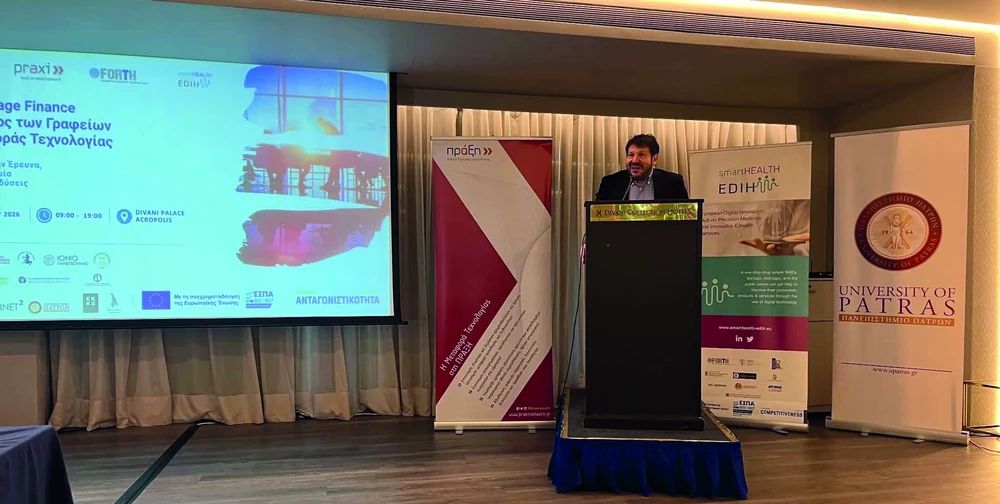
C Nest Accelerator: A New Catalyst for the Market
How exactly does C Nest take a startup from Crete, or even a traditional business, under its wing and transform it into a company with international potential?
The primary objective of C Nest is to help a business become self-sustaining as quickly as possible. We provide everything a traditional accelerator offers, including the development of a structured business plan, market analysis, product definition, identification of the target audience and — most importantly — the articulation of the unique value the business will offer its potential customers. What sets us apart, however, is our ability to combine these services with the specialised support offered by the PRAXI Network.
Through the Enterprise Europe Network (EEN), the world’s largest support network for small and medium-sized enterprises (SMEs), we provide businesses with access to international networks, keep them informed about European funding programmes and help them participate in these initiatives. We also connect them with leading scientists from research laboratories to foster collaboration. We even cover travel expenses associated with establishing international consortia.
A Smarter Crete: Agri-Food, Tourism and Advanced Technology
How, for example, can Cretan olive oil or the island’s hospitality experience be transformed into a high-tech product with global added value?
I firmly believe that innovation can be applied to every sector. Our goal is to bring together the high level of scientific expertise being developed on the island and our traditional economy.
In olive oil production, for instance, we can introduce new production methods that preserve all its nutritional properties, isolate valuable compounds with significant medicinal potential, such as polyphenols, or apply technologies to break down and valorise waste products, such as olive mill wastewater, known locally as “katsigaros”.
In tourism, the adoption of advanced technologies, including Artificial Intelligence, can significantly enhance business competitiveness, reduce operating costs, enable more effective advertising and deliver personalised customer service, while simultaneously lowering the energy footprint of tourism facilities.
The Vision for Crete’s Future
Can Crete, through institutions such as FORTH and initiatives like C Nest, become a Mediterranean “Silicon Valley”, retaining the country’s brightest minds on the island?
We undoubtedly have some of the brightest minds in the country. This is demonstrated in practice by the fact that half of the European Research Council (ERC) grants — among Europe’s most prestigious and demanding distinctions for scientific excellence — are awarded to FORTH and other institutions in Crete.
However, taking the next step requires infrastructure, modern laboratories and advanced equipment. We need investors with substantial capital who believe in these opportunities, as well as a domestic industrial sector capable of testing and manufacturing these products. These are resources we currently lack.
Our greatest shortcoming, however, lies in our mindset. We must learn to prioritise the intellectual property protection of our research outcomes and their commercial exploitation, rather than focusing exclusively on academic publications.
This change in mentality is essential if we are to achieve tangible results and retain our most valuable competitive advantage: our scientists.
Finally, I believe it would be tremendously beneficial for the region if research institutions themselves, such as FORTH, had their own investment funds. These funds could be managed by the Technology Transfer Office, providing essential seed funding to teams with promising research results. In the long term, such an initiative would generate substantial economic and social returns for the island.